Life Cycle - Plants (5B)
Lab 

   
OBJECTIVES:
  • Comparing reproduction in a gymnosperm and angiosperm.
  • Determining male and female plant parts.
VOCABULARY:
  • angiosperm
  • cone
  • gymnosperm
  • pollen
  • pollination
  • seed
  • sexual
MATERIALS:

Students compare the reproductive organs of different plants

BACKGROUND:

Gymnosperms are the non-flowering seed plants such as cedar, pine, redwood, hemlock, and firs. Gymnosperms are woody plants that bear "naked seeds." They are called naked because their seeds develop exposed on the upper surfaces of cone scales, such as in pine cones. A pollen grain is carried by wind currents to the appropriate "egg" where the growth of the pollen tubes through this tissue brings the sperm to the egg. Gymnosperms are usually of large size with much secondary growth, the leaves are usually evergreen needles or scales.

Angiosperms have flowers and bear seeds enclosed in a protective covering called a fruit. Angiosperms are the dominant types of plants today. Angiosperms are further divided into monocots and dicots. Monocots have one seed leaf. Dicots have two seed leafs. There are at least 250,000 species of angiosperms ranging from small flowers to enormous wood trees. Pollination is accomplished by wind, insects, and other animals. The male part is the pollen grain, and the female part is the ovary. The ovary goes through meiosis to produce an "egg", which is them fertilized by the "sperm" carried by the pollen. The sperm of the male part travels down the pollen tube in the style. Two sperm enter the micropyle of the ovary. After the process of mitosis, it turns into a seed with an embryo. The seed may be inside a fruit.

PROCEDURE:
  1. Discuss how angiosperms and gymnosperms reproduce. You may want to review the different parts of the plants.
      
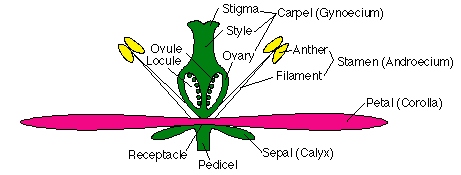
  2. In angiosperms, the pistil is the female reproductive structure found in flowers, and consists of the stigma, style, and ovary. There are two parts to an angiosperm: a male part and a female part. The male gametophyte consists of 2_3 cells contained within a pollen grain; the female gametophyte consists of eight cells contained within an ovule. The stamen is the male reproductive structure of a flower; usually consisting of slender, thread_like filaments topped by anthers, which contain the pollen.


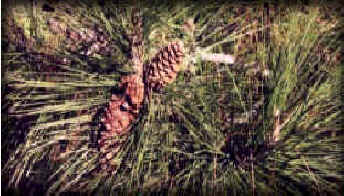
  3. In gymnosperms the cone is the female reproductive part and the pollen is the male reproductive part. Pine trees and other gymnosperms produce two types of cones. The male cone is called the pollen cone. The larger female cone is the seed cone. A single tree usually produces both pollen and seed cones. Spore_producing structures are found on the scales of cones.
      
  4. Give students flowers, fruits, seeds, and cones. The kit contains seeds and cones, but you will have to get some flowers and fruit. Have the students dissect the flowers and fruit so they can see the different parts of the fruit. Have reference material available so that students can identify the different parts easily or use the recommended web site. You may want students to identify male and female species.

    http://home.thezone.net/~gosse/asperm.html
    Goes through the life history of angiosperms and gymnosperms.

[Dictionary]  
  [Back to Life Cycle Grid]  [Back to Plants (5)]